


Symbolic Feng Shui - Meaning and Significance of Different Feng Shui Symbols
Do you ever wonder why so many people worldwide are so particular about the direction of their homes or the colors they should or shouldn't use for their decor?
This particularity in human nature regarding interior decor is because of the arts of placement like Vastu Shastra and Feng Shui.
Vastu Shastra is an ancient Indian system that includes Hindu and sometimes Buddhist beliefs in architecture. Feng Shui is the practice of achieving a balance of energy by harmonizing yourself with your surroundings.
Let’s explore Feng Shui in detail.
What is Feng Shui?
The word "Feng" means "wind", and "Shui" means "water" in English, but this is the cultural abbreviation from a passage of the now-lost Book of Burial.
Feng Shui is based on the Taoist belief that a kind of life force called chi powers all living organisms. It began in ancient China in the 9th century BC but has now spread throughout the world.
This art of placement uses energy forces synchronizing individuals with their surroundings. It achieves this through its many but equally important principles. These principles offer remedies to balance the chi energy of your home by applying them to assess yin and yang energies in your home.
Fun Fact, in 2005, Disney moved the gate to the Hong Kong Disneyland by twelve degrees. They wanted to acknowledge that Feng Shui was a significant part of Chinese culture.
People all over the world use Feng Shui to bring about specific improvements in their life by the art of placement. They follow the energy flow of various objects to achieve an optimal design.
Feng Shui divides the world into five elements: wood, water, fire, earth and metal. Every object around us falls into one of these five categories. Each of them has a different energy and uniquely interacts with the other. The outcome of these interactions is hence predictable.
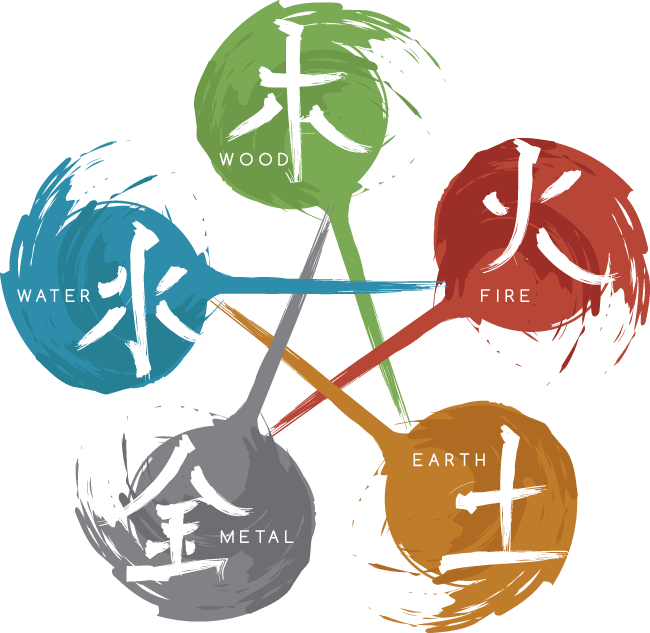
The purpose of Feng Shui as it is used today is to place an artificial environment where there is good Chi. Architects and interior designers often use the principles of feng shui placement. Feng Shui interior design is used to promote the flow of good Chi in your home, garden, and office.
Symbolic Feng Shui
Many advanced levels of Feng Shui need connections in the community or a certain amount of wealth to be practised. Altering architecture or design and moving from place to place requires abundant finances. Some lower classes lose confidence in Feng Shui due to this, saying that it is only for the rich. This disbelief was what brought Symbolic Feng Shui to light.
Symbolic Feng Shui involves placing auspicious and aesthetically pleasing Five Element objects in your homes at various places. A few examples of these objects are tortoises, horses and Budhha paintings and statues around the house to reap the benefits of Feng Shui without spending a lot.
You can explore a wide range of feng shui artifacts for your home from galloping horse sculptures to elephant figurines and Buddha-inspired showpieces — all chosen to invite positive energy into your living space.
Popular Feng Shui Symbols
Ying Yang
This symbol represents the unity of Yin and Yang, the opposing forces for everything, for instance, Yin is night and Yang is day. The Yin and Yang are intertwined with each other and exist complementary. They are fluid, and Feng Shui aims to achieve a balance of yin and yang energies that are present in every object.
Bagua
Bagua is the Feng Shui energy map of Feng Shui. It provides a systematic way of understanding your environment's energy field. Bagua translates to "eight places" in Chinese. It consists of eight areas arranged around a central point.
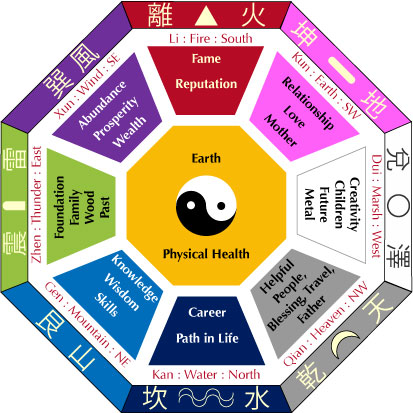
These areas are linked to several aspects of life. Each gua (or area) also has a significant number of additional layered meanings such as colours, components, shapes, and so much more.
Mirrors are one of the most powerful tools in feng shui — they expand space, redirect energy, and activate positive chi. Placing decorative mirrors on the north or east wall of your home is considered especially auspicious according to feng shui principles.
Horse
Horses bring the energy of success, fame, freedom, and speed. Be it in a painting or sculpture, Feng Shui often uses horses in its practice.
Dragon
Dragons are a huge part of Asian cultures, and hence, it is no surprise that they would find a place in Feng Shui practice.

The dragon is seen as a symbol of prosperity and safety and is welcomed into the home for wisdom and protection.
Bamboo
Bamboos thrive in almost any weather condition and hence are symbolic of strength and endurance. Bamboos are considered to bring good luck and health in Feng Shui.
If you want to bring feng shui energy into your home through art, feng shui canvas prints depicting bamboo, horses, elephants and other auspicious symbols are a beautiful and lasting option — printed on archival canvas and designed for Indian homes.
Eternal Knot
The Eternal Knot is believed to bring stability and calmness to your mind. As a part of many ancient cultures, the eternal knot is believed to bring abundance, love and protection to your home.
Budhha
Buddha in sculptures or paintings is considered a powerful symbol, bringing good luck, health, wisdom, balance and enlightenment.

Placing the Buddha in any area of the bagua is considered auspicious. Meditating Buddha Canvas brings positive energies and good Chi, wherever it is placed.
People worldwide are reaping the benefits of Feng Shui by following its principles and basic rules and incorporating them into their daily lives.
So, the next time someone says, "I only want to buy a South Facing home” or “I would really like a crystal tortoise for my home entrance”, you would know why they are so specific.
Interested in learning more about how Feng Shui works and how you can absorb it into your life?
Stay tuned, and we will be back with more.
The 5 Elements of Feng Shui and How to Use Them at Home
Feng shui divides the world into five elements — Wood, Water, Fire, Earth, and Metal. Each element has an associated energy, color, and type of object. Balancing these elements in your home is what creates the harmonious flow of chi.
Wood: Represents growth, creativity, and vitality. Colors associated with Wood are green and brown. Introduce this element through indoor plants, wooden furniture, or landscape canvas prints with trees and forests.
Water: Represents wisdom, intuition, and career success. Colors are black and dark blue. Introduce Water through aquariums, water fountains, or artwork featuring water scenes like rivers and oceans. Place water elements in the north area of your home for career luck.
Fire: Represents passion, fame, and transformation. Colors are red and orange. Introduce Fire through candles, lamps, and triangular or zigzag patterns. The living room and south areas of your home benefit most from Fire energy.
Earth: Represents stability, nourishment, and relationships. Colors are yellow, tan, and earthy tones. Introduce Earth through ceramic artifacts, square shapes, and earth-colored rugs and cushions. Place Earth elements in the center and northeast of your home.
Metal: Represents clarity, precision, and joy. Colors are white, grey, gold, and silver. Introduce Metal through circular decorative accessories, metallic finishes, and wall art with geometric forms. The west and northwest areas of your home respond best to Metal energy.
Feng Shui for Every Room in Your Indian Home
Entryway and Front Door
The entryway is where all the chi enters your home. Keep the entrance unobstructed, clean, and well-lit. The front door itself should always be clean and in good condition. Place plants like money plants near the entrance to activate positive chi. Never place a mirror directly in front of the door — this reflects the chi back out. Mirrors at the entrance should be placed on a side wall, not facing the door.
Living Room
Use colors in your living room to introduce the five feng shui elements. Accessorize with objects that incorporate different elements — an artifact for Earth, a candle holder for Fire, a water-inspired canvas for Water. Keep the room clutter-free as blocked paths interrupt the flow of good chi. Avoid placing seating with backs facing the main door.
Bedroom
Place your bed in the commanding position — where you can see the door but are not directly in line with it. Avoid storing things under the bed, as this affects your energy while you sleep. If you must use under-bed storage, keep only soft, sleep-related items like sheets and blankets. Add a square earth-colored rug under the bed to introduce the Earth element and promote stability and nourishment.
Bathroom
Keep your bathroom airy and clean. Conserve water — a dripping tap is considered bad feng shui. Keep the toilet seat covered and the bathroom door closed to prevent chi from draining away. A mirror on the outside of the bathroom door is effective — it reflects chi back into the room rather than letting it enter the bathroom.
Home Office
Place your desk in the command position — where you can see the door without being directly in front of it. Ensure abundant light and air. Add a small plant on the desk for positive life energy. Keep a regular cleaning routine for your desk — stagnant clutter stagnates your professional opportunities. Use pictures, artwork, and objects that motivate and inspire you.


Good effort , congratulations. Keep going.
Waiting for next.
Leave a comment